
Hongluo Temple
Category: Cultural Relics Sites
Address : Hongluo Mountain, Huairou District, Beijing
Open Time : Daily 8:30am - 5:00pm
Reviews: 
Phone : 86-10-60681175
Entrance fee: RMB 40/p.p Cable Car: RMB 50/p.p
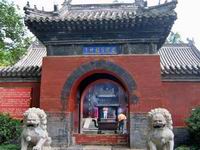
Introduction of Hongluo Temple Beijing
Beijing Hongluo (Red Snail) Temple Tourist Resort lies 50 kilometers (31.7 miles) from central Beijing and covers an area of 800 hectares (1,976.8 acres). The resort consists of three principal attractions: the temple itself, the Hongluo Mountain and the Kwanyin Temple. The area has much to offer the visitors throughout the year, with blossoming flowers in spring, cool temperatures in summer, golden leaves in autumn and snow covered plum blossoms, bamboos and pines in winter.
Hongluo Mountain is rich with verdant greenery and is dotted with traditional-style pavilions, but is most well-known for playing host to the Hongluo Temple. The temple was first built during the Eastern Jin Dynasty (317-420) and was then extended in the Tang Dynasty (618-907). It is widely-acknowledged as being the birthplace of northern Qigong, a way of maintaining good health through practicing different breathing exercises.
The temple sits against the backdrop of the mountain while is fronted by a large lake and an entrance gate marked by a large engraved pailou (arch). The building itself consists of five halls, each used for worshipping different gods. The temple is also famed for its bamboo grove which dates back to the Yuan Dynasty (1271-1368) and contains tens of thousands of shoots. Near the hall worshipping Sakyamuni, the thousand-years-old male and female gingkoes are 30 meters high, and an 800 year old great pine entwined with two Chinese wisterias makes a large shadow.
To the east of the Hongluo Temple runs a large stretch of pine trees. Among them stand 500 life-size arhat statues and a variety of stone carvings depicting images of the Chinese zodiac, providing visitors with an understanding of traditional Chinese culture and the Buddhist faith.
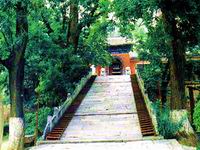
The Kwan-yin Temple lies towards the centre of the mountain. It is comprised of three halls, mainly dedicated to the worship of Kwan-yin, the Buddha who helps those in tribulation on earth. There are 108 steps between the main hall and the rear hall. These are supposed to represent the 108 human vexations, which, it is said, are each dispelled as the individual treads over them.
The Hongluo Temple Tourist Resort provides numerous other opportunities for its visitors: activities include fishing, barbecue parties and festivals in celebration of the chrysanthemums and plum blossoms. These, combined with the picturesque surroundings, make it an ideal location for both relaxing and having fun.
Beijing-Travels.com offers online information on Beijing Hongluo Temple and private tours as follows, Keep browsing our site for More Attractions information in Beijing China.
Hongluo Temple and Yougushentan Day Trip
Itinerary: Countryside Trips
Prices From: USD 59
Private tours to the Yunmengshan National Forest Park and Hongluo Temple is designed for the natural-lover, who are looking forward to see the wonderful scenery, unusual mountains, rich mineral springs and beautiful legends, explore the well-known temple in countryside ... 
Special Offer Travels
Beijing-Travels.com is a full service local travel agency offers popular travel packages to Beijing, Great Wall and all over of China. We specialize in "PRIVATE" & "NO-SHOPPING" tours and try to be original, unique and best to satisfy our clients, Let us assist you to experience your own vacations!

 home
home about us
 Testimonials
 sales@beijing-travels.com
 0086-13801067568
